
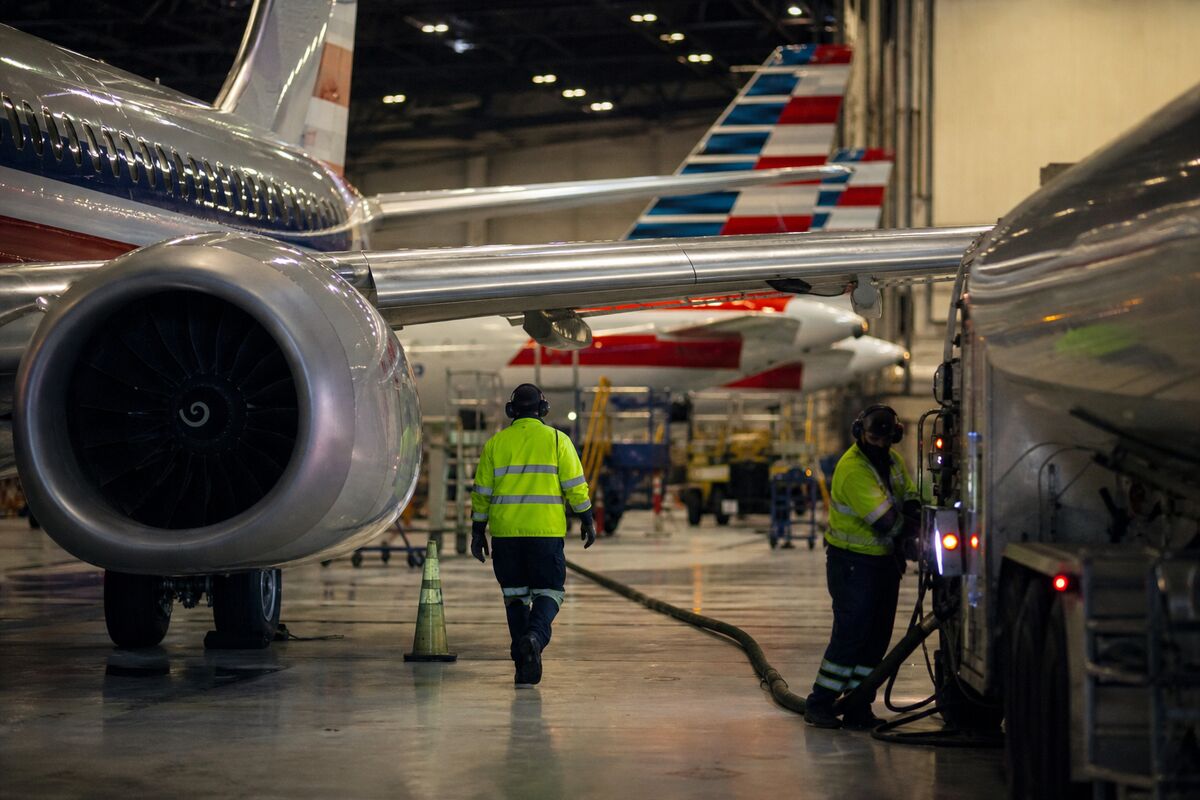
American Airlines has recently slashed its earnings outlook for 2026, a decision driven primarily by the surge in fuel costs. This adjustment raises critical questions for investors, particularly regarding the sustainability of profitability in the airline sector. The company's revised projections signal not only internal challenges but also potential ripple effects throughout the broader airline industry.
The airline has adjusted its earnings per share (EPS) forecast to a range of $3.50 to $4.00, down from previous estimates of $5.00 to $5.50. This significant downward revision illustrates the acute impact that escalating fuel prices can have on operational costs. American Airlines attributed this change to a 25% increase in fuel prices over the last quarter, which has affected overall profitability and operational strategies.
Sector-Wide Implications
The ramifications of this earnings outlook reduction extend beyond American Airlines ($AAL$). Competitors such as Delta Air Lines ($DAL$), United Airlines ($UAL$), and Southwest Airlines ($LUV$) could face similar pressures as they navigate the rising costs associated with fuel. Historically, fluctuations in fuel prices have led to a domino effect across the sector, prompting airlines to reevaluate their pricing strategies and operational efficiencies.
Airlines often respond to increased fuel costs by implementing various strategies, which could include:
- Increasing Ticket Prices: Airlines may pass on higher operational costs to consumers, potentially leading to reduced demand if prices rise too steeply.
- Adjusting Capacity: Reducing flight schedules or routes to optimize fuel efficiency and maintain profitability.
- Enhancing Operational Efficiencies: Investing in more fuel-efficient aircraft or optimizing flight routes to minimize fuel consumption.
These strategies are critical as airlines grapple with maintaining margins in an environment where fuel prices remain volatile. The recent spike in fuel costs has led some analysts to predict that the overall profitability of the airline sector may be under threat unless airlines can effectively manage these rising expenses.
Investor Considerations
For investors, the adjustment in American Airlines' earnings forecasts could signal a shift in sentiment regarding the entire airline sector. As fuel prices remain unpredictable, airlines may need to continually update their forecasts, leading to increased volatility in their stock prices. The broader implications of American Airlines' revised outlook could prompt investors to reassess their positions in the airline industry, particularly if competitors follow suit with similar adjustments.
Furthermore, the airline industry’s reliance on fuel efficiency technologies and cost management strategies will likely become even more pronounced. Investors may want to keep a close eye on how these factors influence earnings calls and guidance updates from key players in the sector.
As the market digests these changes, it remains to be seen how American Airlines and its competitors will adjust their strategies to cope with the rising costs and what that means for their bottom lines.
For a deeper dive into American Airlines' earnings outlook and the factors influencing it, you can refer to the full article on CNBC.