
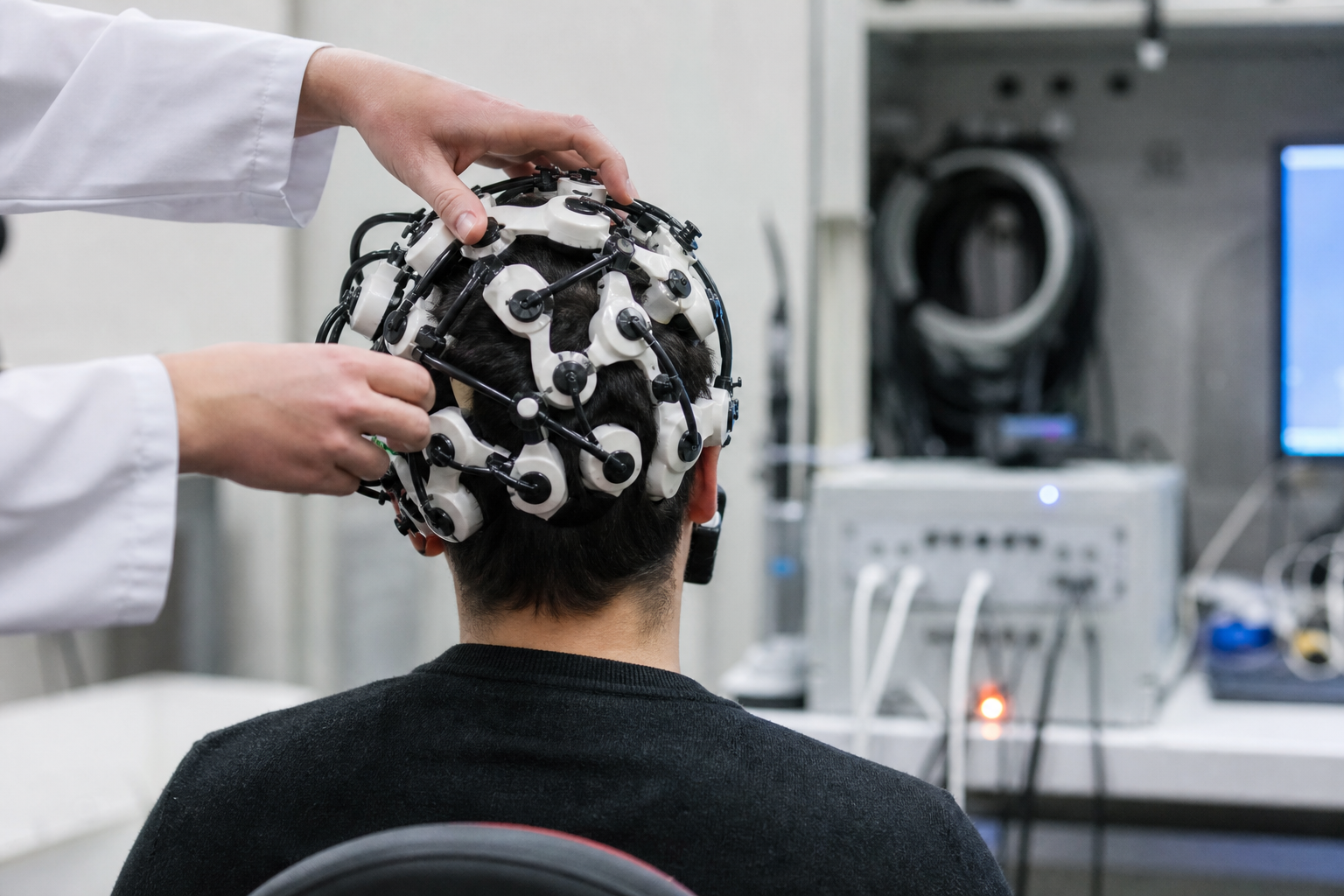
Apple’s health strategy is moving into territory that sounds less like a smartwatch feature and more like science fiction: the company has acquired brain-sensor startup Sonera Magnetics. The deal adds a new layer to Apple’s technology ambitions, extending the conversation beyond familiar products such as Apple Watch and AirPods.
For holders of $AAPL and traders watching the Nasdaq, the acquisition is less an earnings event than a strategic signal. Apple is placing another marker in health and neurotechnology hardware, even though the financial terms, product plans and any revenue impact remain undisclosed.
According to a report published by Seeking Alpha on September 8, 2026, Apple acquired Sonera Magnetics, a startup specializing in brain-sensing technology. The announcement provides a clear outline of the transaction’s direction, but not its financial dimensions. There is no disclosed purchase price, valuation, revenue forecast or product timeline attached to the deal.
A new frontier for Apple’s health ambitions
Apple has already made health technology part of its consumer-device identity. Apple Watch and AirPods sit at the center of that effort, connecting sensors and software with products people use throughout the day. Sonera Magnetics could extend that ambition into a more specialized category: technology designed to sense signals from the brain.
That does not mean a brain-sensing Apple product is imminent. The available information does not establish a launch schedule, a consumer application or a commercial roadmap. It does, however, suggest that Apple is interested in adding brain-sensing capabilities to its broader hardware and health-technology portfolio.
For investors, that distinction matters. Acquisitions can provide strategic capabilities long before they produce a recognizable product or financial contribution. In this case, the known fact is the acquisition itself and Sonera Magnetics’ expertise. The eventual business outcome is still an open question.
Why Nasdaq traders may pay attention
Short-term market reactions often focus on disclosed numbers: purchase prices, guidance changes or earnings estimates. This transaction offers none of those details. As a result, the most defensible interpretation is strategic rather than financial. Apple may be building technical expertise that could support future health and neurotechnology hardware, but the timing and economic value cannot yet be measured from the disclosed information.
That uncertainty leaves traders with a familiar Apple tension. The company’s scale makes even small technology acquisitions worth watching, while the absence of terms limits what can responsibly be inferred about earnings. For $AAPL investors, Sonera Magnetics may therefore function as a long-range signal of direction—not an immediate catalyst with a known revenue effect.
The broader message is that Apple’s health ambitions may be widening. Whether brain sensing becomes a meaningful product category, a behind-the-scenes capability or simply an exploratory technology investment remains unknown. For now, the acquisition puts neurotechnology on Apple’s strategic map while leaving the financial map largely blank.
Bull/Bear Verdict
Bull Case: The acquisition may strengthen Apple’s longer-term health and neurotechnology ambitions by adding Sonera Magnetics’ brain-sensing expertise beyond products such as Apple Watch and AirPods.
Bear Case: With financial terms, a product timeline and revenue impact undisclosed, the deal may remain a strategic signal for $AAPL rather than an immediate earnings catalyst.