
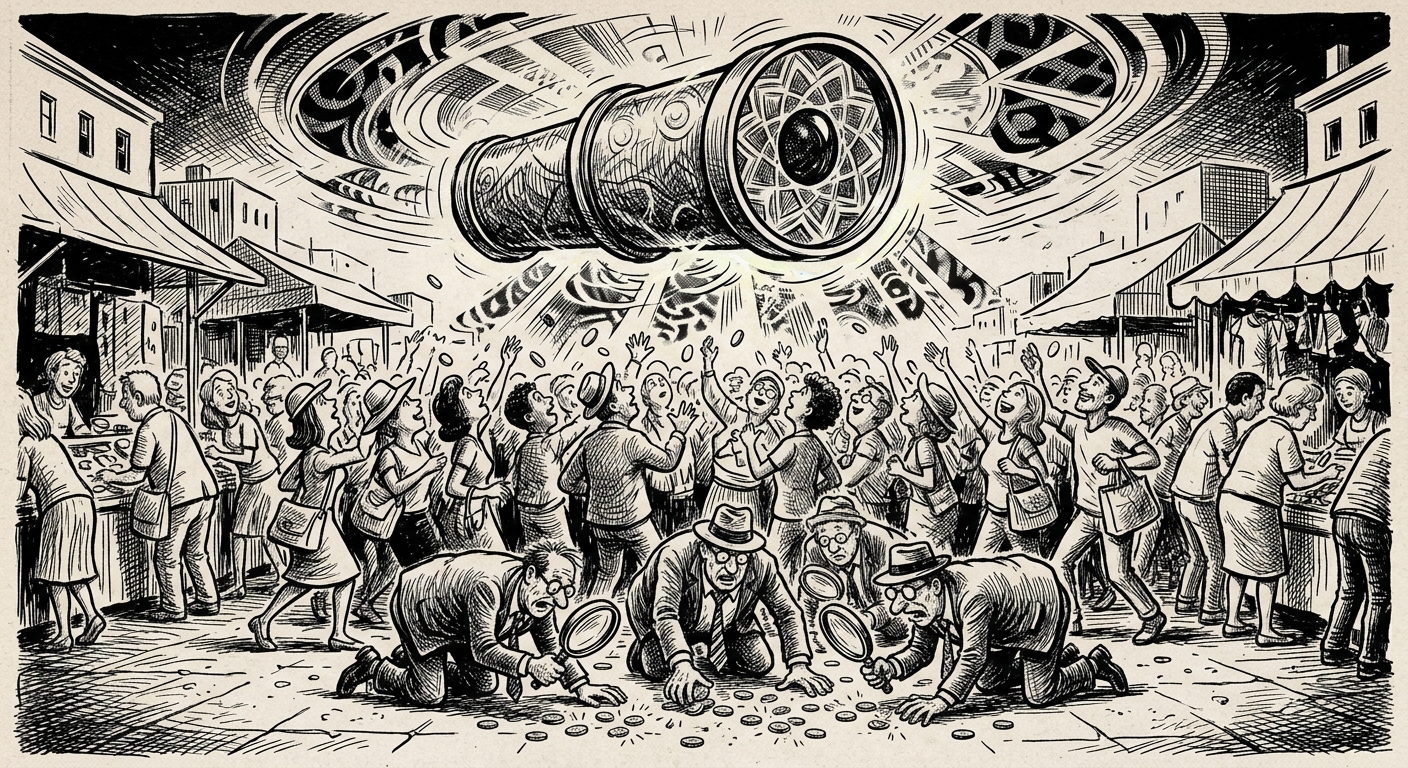
The stock market, much like life, is full of ebbs and flows. For long-term investors, understanding these fluctuations is crucial. Recently, we have witnessed a surge in trading volumes on both the NYSE and Nasdaq, hinting at a potential shift in investor sentiment. This phenomenon deserves a closer look, as it may indicate larger underlying trends that could shape market dynamics for the foreseeable future.
Identifying the Most Active Stocks
As we sift through the data on the most active stocks, we find that high-volume trading often correlates with significant investor interest. Stocks such as $AMC and $TSLA, which have been frequently mentioned in the context of high trading volumes, exemplify this trend. Elevated trading volumes suggest not just increased activity, but also heightened conviction among market participants.
What Elevated Trading Volumes Signify
In the current market environment, elevated trading volumes can signify several key factors:
- Increased Conviction: When a stock experiences a surge in volume, it often signals that investors are more convinced about its potential. This can be particularly true if the movement aligns with positive news or strong earnings reports.
- Institutional Activity: High volumes frequently indicate that institutional investors are entering or exiting positions. Their actions often carry weight, as they possess resources and data that individual investors may not.
- Potential Turning Points: A notable increase in trading volume can also indicate a change in trend. Whether it’s a stock breaking out of a previous resistance level or a significant drop, understanding these movements can help investors identify potential turning points.
Sector Rotation and High-Volume Names
Another fascinating aspect of high-volume trading is its relationship to sector rotation. The recent uptick in volumes is not limited to a specific stock but spans various sectors. For instance, tech stocks like $AAPL and $MSFT, alongside energy stocks like $XOM, have drawn significant attention. This may suggest that investors are repositioning their portfolios in response to macroeconomic changes or shifting consumer preferences.
Insights for Traders and Investors
For traders and long-term investors alike, interpreting high-volume activity can be a potent tool for identifying opportunities or assessing risks. Here are a few actionable insights:
- Monitor Volume Trends: Keep a close eye on volume trends alongside price movements. A price increase accompanied by high volume may justify further investment, while rising prices on declining volume could signal caution.
- Understand Market Sentiment: High-volume stocks can reflect broader market sentiment. If a particular sector is seeing increased activity, it might be worthwhile to examine why that is happening and whether it aligns with your investment thesis.
- Be Wary of Noise: While high trading volumes can indicate significant moves, it’s essential to filter out the noise. Some high-volume days may be driven by speculative trading rather than fundamental changes, making it vital to conduct thorough research.
In conclusion, the current environment of elevated trading volumes on the NYSE and Nasdaq presents a unique opportunity for investors willing to look beyond the surface. By understanding the signals that high trading volumes send, investors can better position themselves to capitalize on the evolving market landscape. As Warren Buffett wisely stated, "The stock market is designed to transfer money from the Active to the Patient." In this era of volatility, patience and informed analysis will remain your best allies.