
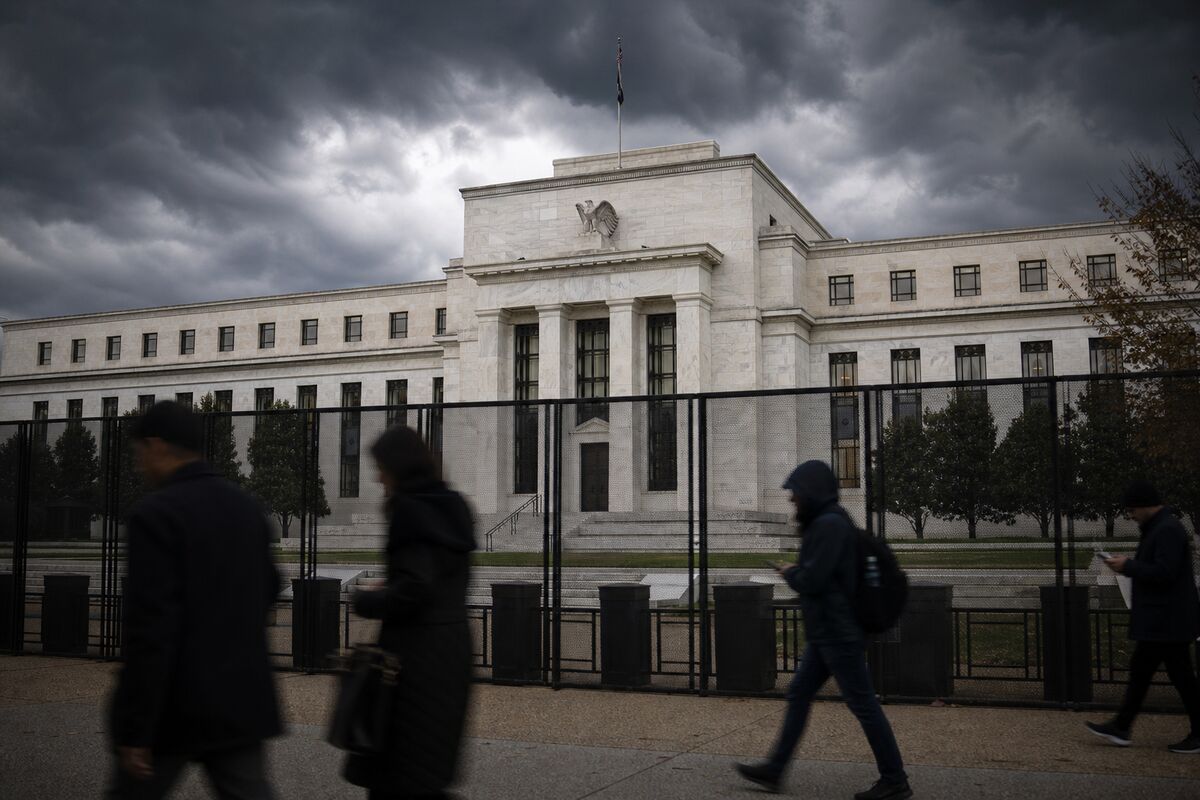
St. Louis Federal Reserve President Musalem delivered a hawkish signal that could complicate the market’s rate-cut narrative: tighter monetary policy may be needed “soon.” His comments arrive after the Federal Reserve held interest rates steady, making them an early indication of how policymakers may be assessing the next stage of the policy path.
For US traders, the message is less about a specific future move than about a shift in the range of outcomes. Expectations for near-term rate cuts now face a more direct challenge, while uncertainty around the Fed’s next decision has increased. Musalem’s remarks suggest that steady rates should not automatically be read as the beginning of an easing cycle.
Read the full remarks and policy context in CNBC’s report on Musalem’s comments.
A hawkish signal after a steady decision
The Federal Reserve’s decision to hold rates steady provided no immediate change in borrowing costs. Musalem’s subsequent comment that tighter policy is needed “soon,” however, adds a more restrictive interpretation to the outlook. It indicates that at least one senior regional Fed official sees a case for additional restraint rather than an automatic move toward lower rates.
That distinction matters because financial markets respond not only to current rates, but also to expectations for the path ahead. A policy hold can be viewed as temporary, depending on the guidance that follows. Musalem’s comments make that interpretation less straightforward and may force traders to reassess how quickly easing could enter the policy discussion.
Rate-sensitive sectors in focus
Changes in interest-rate expectations can have broad implications across US markets, even without an immediate policy move. Technology companies may be sensitive to the discount rates applied to expected future cash flows. Financial stocks may respond to changing views on lending conditions and the broader economic outlook. Housing-related markets may also remain exposed to shifts in borrowing costs and financing expectations.
The important point is not that Musalem’s comments establish a timetable or size for any future adjustment. They do not. Instead, they introduce a more hawkish data point into the debate over whether the Fed’s steady decision represents patience before easing or a pause before maintaining—or potentially increasing—policy restraint.
What traders are watching
- Whether other Federal Reserve officials reinforce or qualify Musalem’s call for tighter policy soon.
- How expectations for near-term rate cuts evolve after the steady-rate decision.
- Whether technology, financial, and housing-related markets become more sensitive to policy commentary.
- How uncertainty around the rate path affects positioning across US markets.
Musalem’s statement therefore carries weight as an early policy signal, not as a definitive forecast. The Fed has held rates steady, but the conversation around what comes next has become more complicated. For traders, the central issue is whether this hawkish view remains isolated or becomes a broader feature of Federal Reserve guidance.
Bull/Bear Verdict
Bull Case: A clearer policy signal following the Federal Reserve’s steady decision could reduce uncertainty if traders gain a better understanding of the rate path, potentially helping rate-sensitive markets adjust more orderly.
Bear Case: Musalem’s view that tighter policy may be needed “soon” challenges near-term rate-cut expectations and could increase uncertainty for technology, financial, and housing-related markets.