
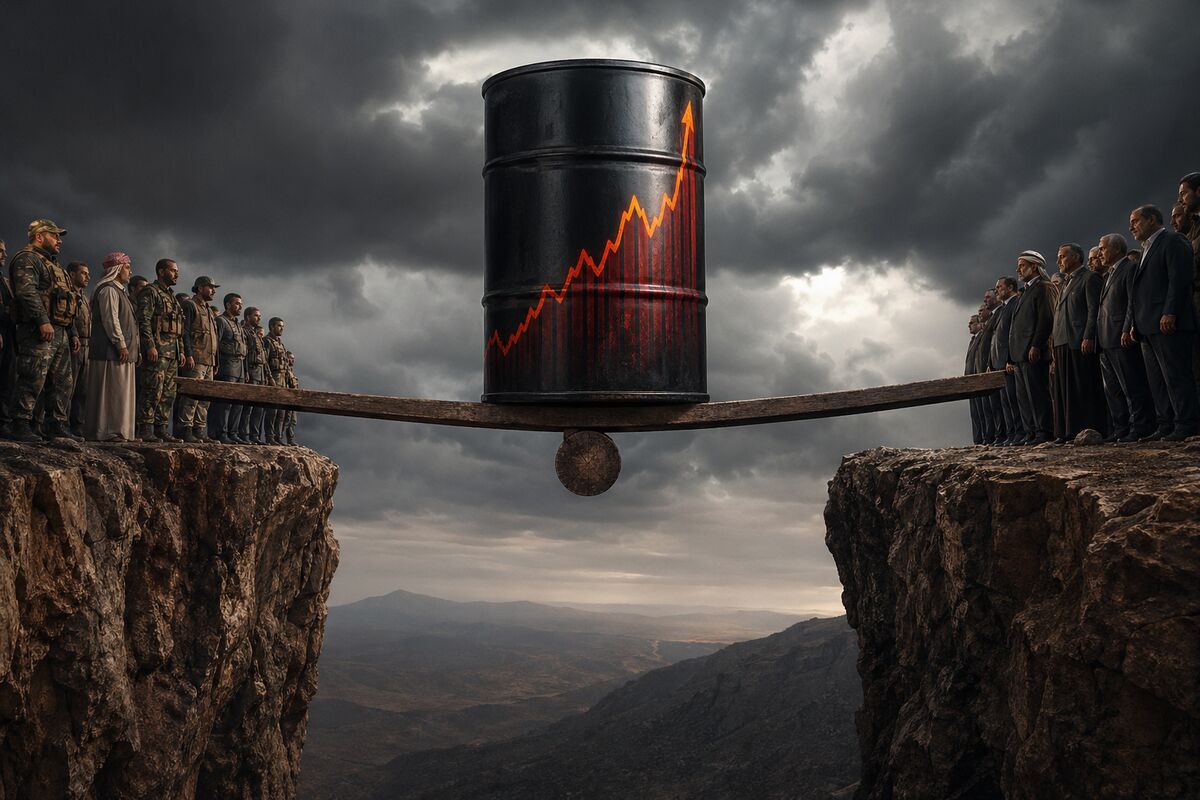
The energy markets are feeling the heat as oil prices surge beyond $110 per barrel. This spike is primarily driven by escalating geopolitical tensions with Iran, which have sent ripples through the entire financial landscape. Traders, buckle up! The momentum is shifting, and the implications are broad.
Just last week, we saw oil prices climb by a staggering 3% amid the ongoing standoff with Iran. The market is buzzing with speculation. Will this be a short-term spike, or is there a fundamental shift in play? The consensus seems to suggest that while prices are soaring now, the sentiment is that this won't permanently elevate future cash flows for energy exploration and production (E&P) companies.
Energy Sector Stocks: Winners and Losers
The energy sector is naturally where this price action is felt most acutely. Companies involved in oil extraction and production are likely to see their stock prices react accordingly. However, the reaction has been mixed. Some E&P stocks are rallying, but the broader market indices are wavering. This divergence raises questions about the sustainability of these gains. Traders need to keep a close eye on how stocks like $XOM and $CVX are responding to these shifts.
Market Indices Under Pressure
As oil prices rise, the broader market indices, including the S&P 500 and the TSX Composite, are facing pressure. This creates a classic tug-of-war scenario between the energy sector's gains and the potential drag from rising costs affecting consumer spending and inflation. The market is reacting to these geopolitical risks while trying to balance economic fundamentals. It’s a delicate dance that traders must navigate carefully.
Inflation and Consumer Spending Implications
With oil prices rising, inflation concerns are back on the table. Higher oil prices typically lead to increased transportation and production costs, which could trickle down to consumers. This scenario suggests potential tightening in consumer spending, a critical driver of economic growth in North America. As prices at the pump rise, consumers may feel the pinch in their wallets, leading to a slowdown in discretionary spending.
Traders should monitor key economic indicators closely. The Consumer Price Index (CPI) will be a crucial data point to watch in the coming weeks. Should inflation start to trend upward due to these energy costs, we might see central banks adjusting their monetary policy sooner rather than later. This could have a dramatic impact on stock valuations across all sectors.
The Bottom Line: Geopolitical Risk vs. Economic Fundamentals
The current environment is a stark reminder of how geopolitical tensions can swiftly impact financial markets. While the energy sector may see short-term gains, the broader implications for inflation and consumer spending cannot be overlooked. Traders need to stay alert and agile, watching for any signs of a shift in sentiment.
In conclusion, while oil prices above $110 may provide a momentary boost to energy stocks, the long-term outlook remains clouded by broader economic concerns. As always, the market will be watching closely for any developments in the geopolitical landscape and their potential fallout.