
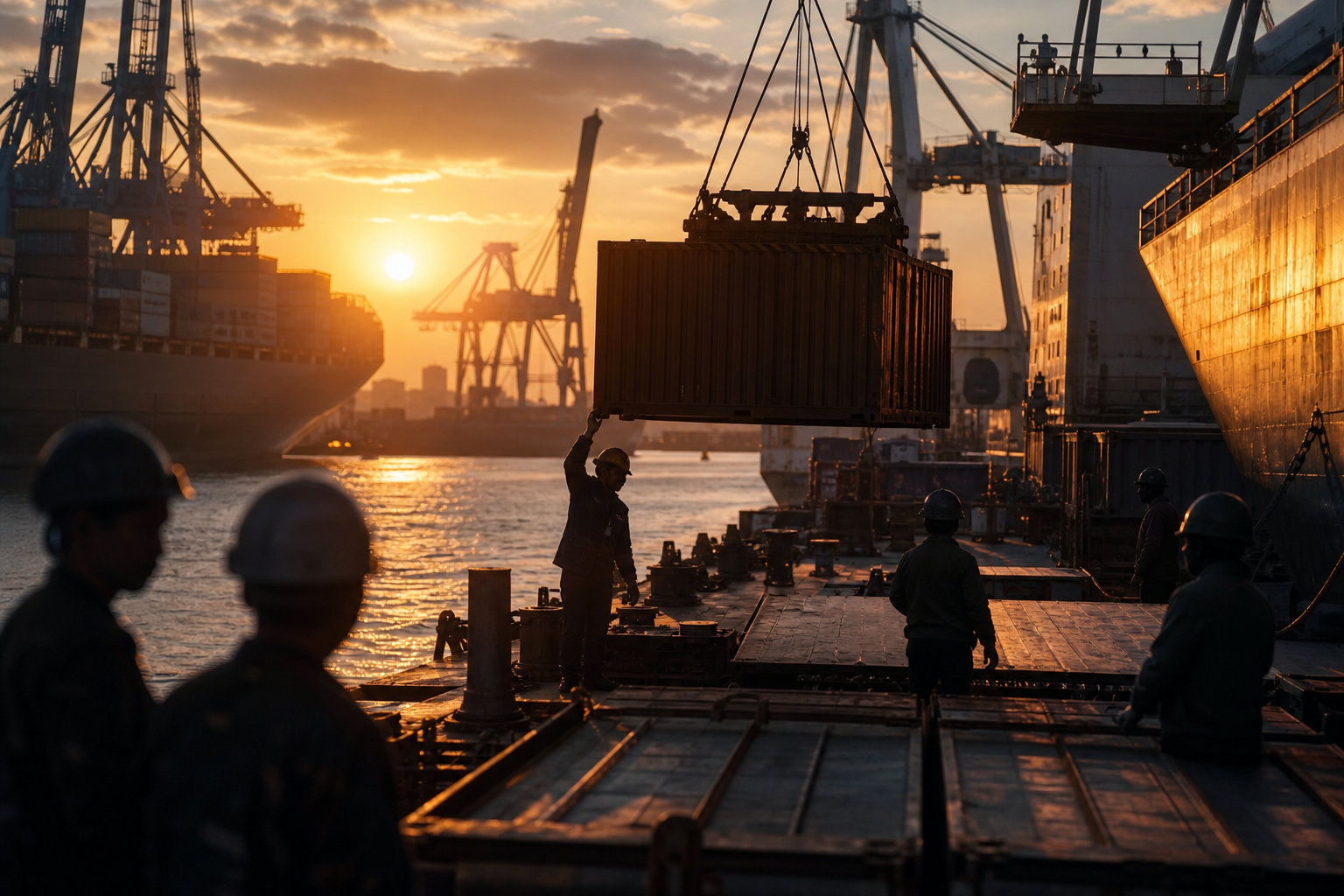
On July 7, 2026, Heidmar Maritime Holdings Corp. (NASDAQ: HMR) announced its strategic acquisition of Q-Shipping B.V., which adds nine vessels to its managed fleet. This move is poised to significantly impact both HMR's operations and the broader maritime shipping market.
The Acquisition's Implications for HMR
The addition of nine vessels strengthens Heidmar's ship management platform, potentially enhancing operational efficiency and revenue streams. By expanding its fleet, HMR may be able to tap into new markets and improve service offerings, thus positioning itself favorably against competitors.
The Current State of the Maritime Shipping Market
The maritime shipping sector is currently navigating a complex landscape influenced by geopolitical tensions. These tensions have led to fluctuating shipping rates, increased operational costs, and a shift in trade routes. The International Maritime Organization has noted a rise in shipping costs by approximately 15% over the past year due to these challenges.
In this context, Heidmar's acquisition may be a timely decision, allowing the company to leverage its expanded fleet to adapt to changing market conditions and capitalize on emerging opportunities.
Competitive Positioning of HMR
As HMR integrates Q-Shipping's assets, it could see a boost in its market share. The acquisition positions the company as a more formidable player in the competitive shipping landscape, particularly against peers who may not have such extensive operational capabilities.
Furthermore, with the maritime industry's current volatility, companies with diversified fleets and robust management platforms are likely to fare better. HMR's strategic move appears to align with this trend, potentially enhancing its resilience against market disruptions.
Conclusion
In summary, Heidmar Maritime's acquisition of Q-Shipping B.V. represents a significant strategic maneuver within the maritime shipping sector. The implications for HMR's operations and revenue could be profound, especially as the company seeks to navigate the challenges posed by geopolitical tensions in the industry.