
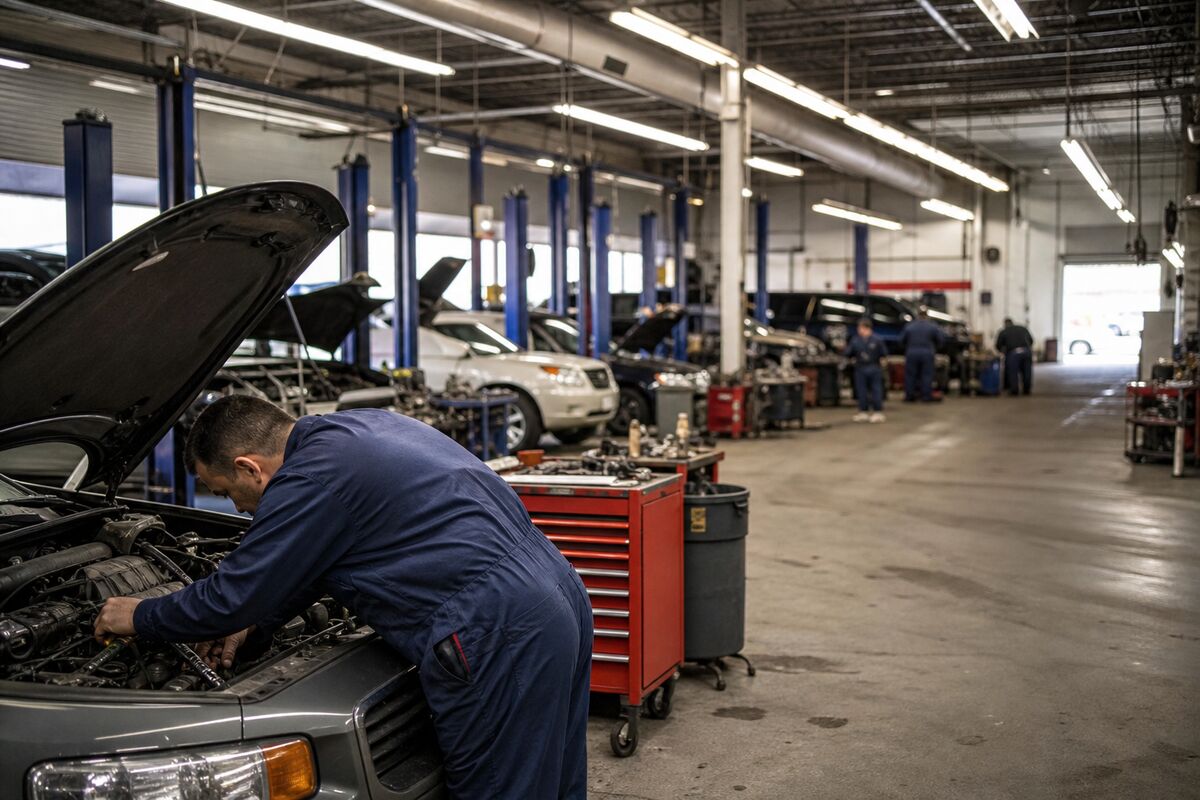
The automotive service landscape is buzzing with the recent news of Icahn Enterprises (IEP) selling Pep Boys to Mavis for a staggering $700 million. This strategic move not only signals a pivotal shift for Icahn Enterprises but also offers a glimpse into the evolving dynamics of the automotive aftermarket industry. Investors are left to ponder: what does this mean for IEP’s future, and how might Mavis leverage this acquisition?
For Icahn Enterprises, the divestiture of Pep Boys could represent a streamlining of its portfolio, allowing it to focus on core operations while enhancing capital allocation strategies. By shedding this asset, Icahn Enterprises may be positioning itself for greater efficiency and more targeted investments that align with its long-term vision. This decision comes at a time when the company is scrutinizing its holdings, and the sale could indicate a commitment to refining its business model to drive shareholder value.
Implications for Icahn Enterprises and Shareholders
The $700 million sale of Pep Boys could provide Icahn Enterprises with a fresh influx of capital that could be redirected towards more profitable ventures or reinvested into existing operations. Investors often favor companies that demonstrate a clear strategy to optimize their asset base, and this sale might be a step in that direction. By divesting a non-core asset, Icahn Enterprises could potentially enhance its overall financial health and appeal to investors looking for companies with focused growth strategies.
Mavis's Strategic Acquisition
On the flip side, Mavis's acquisition of Pep Boys hints at ambitious growth plans within the automotive service segment. This move could enable Mavis to expand its footprint significantly, tapping into Pep Boys' established brand and customer base. The strategic motives behind this acquisition could reflect Mavis's desire to enhance its competitive position in a market characterized by evolving consumer preferences and increasing demand for automotive services.
The Market Expansion Potential
As Mavis integrates Pep Boys into its operations, the potential for market expansion becomes a focal point. This acquisition could facilitate Mavis's entry into new geographic markets or enhance its service offerings, ultimately aiming to capture a larger share of the automotive aftermarket pie. For investors, keeping an eye on how Mavis executes this integration will be crucial, as it may determine the success of this strategic move.
The sale of Pep Boys is more than just a financial transaction; it represents a strategic pivot for Icahn Enterprises and a bold step for Mavis. As the dust settles on this $700 million deal, investors will be watching closely to see how both entities navigate their new trajectories in the automotive landscape. This unfolding narrative could offer vital insights into the strengths and weaknesses of their respective strategies moving forward.
For further details, you can read more on Seeking Alpha.