
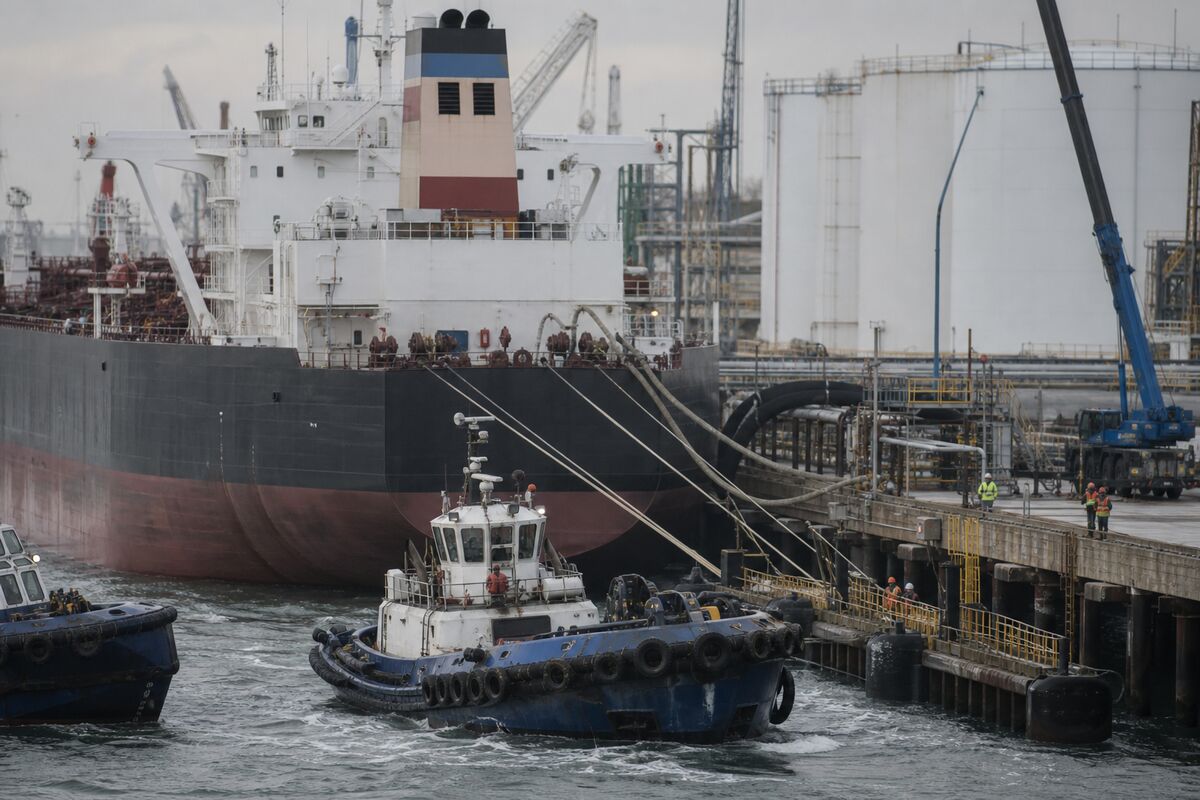
Oil's supply chain is flashing warning signs, and energy stocks are becoming the market's clearest pressure gauge. A drone strike on Saudi Arabia's East-West pipeline, record oil-tanker rates and intensifying Red Sea disruption have created a cluster of risks that could reshape crude-price expectations without requiring a formal supply outage to spread across the global market.
For U.S. and Canadian traders, the key issue is not whether one headline produces a predictable move. It is whether several disruptions begin reinforcing one another while crude buffers are already depleted. That is the concern raised by Chevron ($CVX) CEO Mike Wirth, and it helps explain why energy has attracted unusual attention as the only S&P 500 sector up over the last month, according to Charles Schwab commentary.
A pipeline strike adds a direct supply concern
Saudi Arabia's East-West pipeline was struck by drones launched from Iraq, forcing a shutdown and raising questions about the reliability of a critical route for moving crude. The incident is more consequential than a routine geopolitical headline because it touches physical infrastructure. A prolonged closure could complicate the movement of oil even if production itself is not immediately eliminated.
Political uncertainty is adding another layer. Donald Trump said Iran is “probably responsible” for the attack, while Iraq ordered the closure of the Shalamcheh border crossing with Iran. Those developments do not establish a final attribution, but they raise the possibility that the market will continue pricing geopolitical risk into crude and transportation costs.
Reuters' reporting on the incident and related developments provides the essential market context in its reports on the pipeline and regional tensions.
Tanker rates show the cost of disruption
Oil tanker rates reached record highs after Iran-U.S. shipping attacks, according to Reuters. That is a market signal worth watching because transportation costs can rise before the full effect of a supply interruption appears in official production data. Higher freight rates may indicate that shipowners, cargo buyers and insurers are reassessing the risk of moving oil through exposed routes.
For energy equities, the transmission mechanism is uneven. Producers could receive support from higher crude-price expectations, while refiners and other energy businesses may face different cost and availability considerations. Tanker stocks and energy-focused exchange-traded funds may also attract closer scrutiny, although there is no basis yet for assigning a specific company-level outcome or price target.
Red Sea exposure compounds the risk
The shipping threat is not confined to the Saudi pipeline. The Houthis have tightened their grip on Red Sea shipping, including reaching a key island. That development compounds supply-disruption concerns by putting another strategic corridor under pressure.
Markets often absorb one isolated disruption. Multiple threats affecting infrastructure, borders and shipping lanes are harder to dismiss. The critical question for crude is whether these events remain contained or begin to restrict the dependable flow of barrels and vessels across several routes at once. The answer may determine whether current energy leadership persists or fades.
Why Chevron and the broader market matter
Chevron ($CVX) is directly relevant because its CEO warned that depleted crude-oil buffers could contribute to higher energy prices. The warning does not amount to a forecast, but it highlights the market's reduced margin for error. When inventories and spare capacity are perceived as thin, a temporary disruption may command more attention than it would under looser conditions.
Saudi Aramco is also central to the discussion because the damaged pipeline is part of Saudi Arabia's oil infrastructure. No specific share-price response or operational outcome has been reported, so traders must separate the verified shutdown from assumptions about the duration or eventual supply impact.
Charles Schwab's observation that energy was the only S&P 500 sector up over the last month gives the story a broader equity-market dimension. Energy's relative strength may reflect the market's attention to crude and geopolitical risk, but it does not prove that the sector will continue leading. A sustained escalation could support energy sentiment while simultaneously challenging the broader S&P 500 through higher input costs and renewed inflation concerns.
The trading checklist is therefore straightforward: monitor whether the East-West pipeline remains shut, whether tanker rates stay at record levels, whether Red Sea shipping restrictions intensify, and whether crude buffers remain depleted. U.S. energy majors, Canadian energy shares, tanker stocks and energy ETFs may all respond differently as those catalysts develop. The disciplined approach is to track the evidence rather than convert a dangerous headline into an unsupported price target.
Bull/Bear Verdict
Bull Case: Continued pipeline disruption, record tanker rates, tighter Red Sea shipping and depleted crude buffers could support higher energy-price expectations and keep energy in focus after it was the only S&P 500 sector up over the last month.
Bear Case: If the East-West pipeline shutdown proves contained and shipping disruptions ease, the geopolitical premium could moderate, potentially weakening the energy leadership that Charles Schwab identified.