
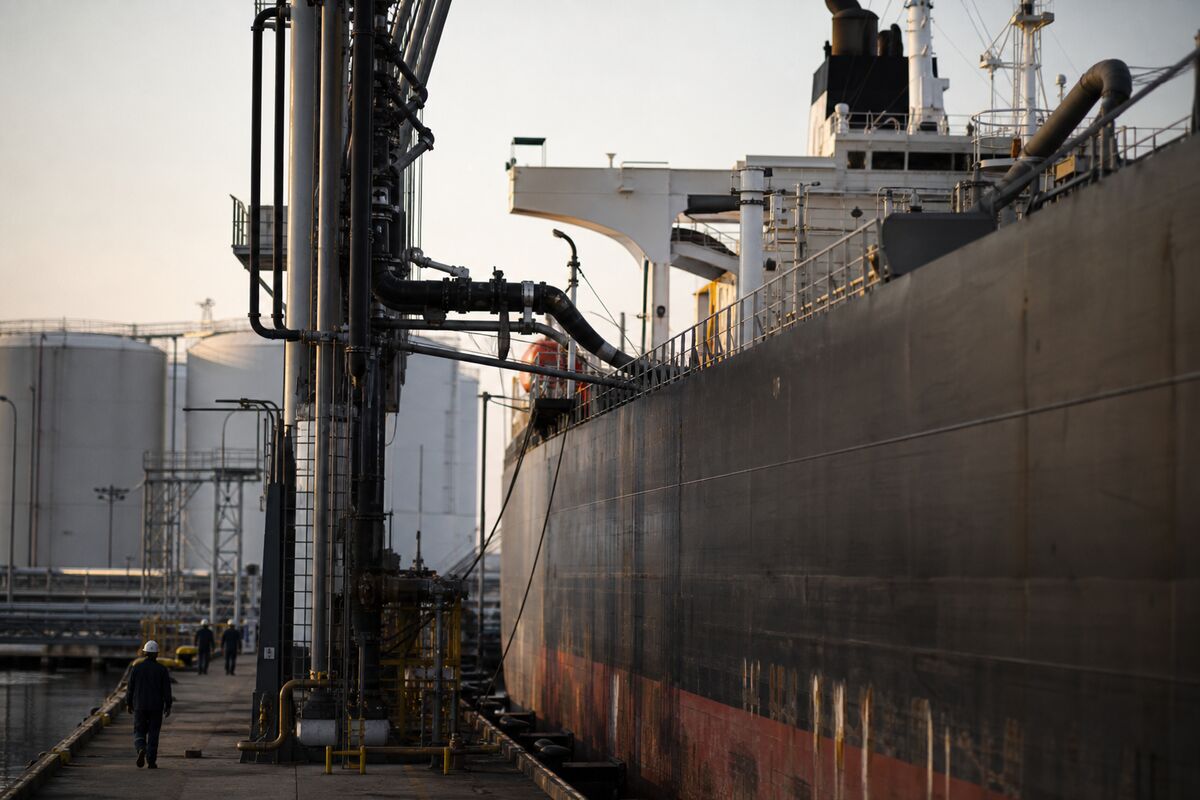
Oil has supplied Wall Street with a fresh jolt of uncertainty: prices jumped nearly 4% after the United States and Iran exchanged attacks for the first time since July. With Reuters expecting crude to hold above $80 a barrel as Middle East supply risks persist, the energy market is again becoming a live wire for US equity traders.
The timing is awkward. Investors are heading into September after the S&P 500 and Nasdaq posted their biggest quarterly gains since 2020 in June, while CNBC’s market analysis has already put traders on high alert. Now, elevated crude, a less powerful Strategic Petroleum Reserve and hawkish comments from Fed Chair Kevin Warsh could make the next month unusually sensitive to both headlines and technical signals.
The immediate market question is not simply whether oil is rising. It is whether the move can remain elevated long enough to reshape expectations across the broader US market. The nearly 4% jump, tied to renewed US-Iran conflict, places supply risk back at the center of the trading narrative. Reuters’ projection that oil could remain above $80 a barrel suggests the issue may not disappear with a single session’s headlines.
That leaves energy-focused vehicles in the spotlight. The United States Oil Fund, traded on NYSE Arca under $USO, offers one of the clearest market symbols for the conversation around crude. The Energy Select Sector SPDR Fund, also traded on NYSE Arca under $XLE, represents a broader energy-sector lens. Neither fund’s reaction is specified in the available material, but both may attract increased attention as traders assess whether geopolitical supply risks can keep energy assets at the center of the tape.
The reserve problem changes the policy backdrop
A depleted US Strategic Petroleum Reserve adds a second layer to the oil story. The reserve has traditionally been viewed as a policy tool that could help cushion supply disruptions. But with inventories depleted, its perceived ability to respond forcefully during a continuing Iran conflict is weaker. That does not determine where crude prices must go; it does mean the market may assign greater weight to the supply risk itself.
In other words, the reserve is no longer an uncomplicated shock absorber in the market’s imagination. If Middle East risks persist and the policy response appears less potent, traders may remain more reactive to each development. That heightened sensitivity matters in a market already being watched for technical strain and macroeconomic vulnerability.
Oil’s reach extends beyond energy
Higher crude prices can create a complicated split among US equities. The energy sector may receive greater attention when oil prices rise, while consumer and transportation stocks could face pressure from higher fuel-related costs. The available information does not establish price moves for those groups, but it does identify the mechanism: sustained expensive oil can weigh on operating costs and household purchasing power.
That possibility also feeds directly into inflation expectations. If crude holds above $80, traders may revisit whether energy costs could keep inflation concerns active for longer. That, in turn, could complicate expectations around interest rates, particularly after hawkish comments by Fed Chair Kevin Warsh late last week. The combination creates a two-front macro challenge: geopolitical risk pushing oil higher and central-bank rhetoric limiting optimism about easier financial conditions.
CNBC’s warning about September therefore deserves more than a calendar-page glance. After the S&P 500 and Nasdaq recorded their biggest quarterly gains since 2020 in June, the market is entering the month with a high bar for calm. A strong prior run can make fresh macro shocks more consequential—not because a reversal is certain, but because traders may scrutinize valuations, momentum and policy signals more closely.
CNBC’s September warning and its discussion of heightened investor alertness fit neatly with the oil market’s new role as a macro signal. Meanwhile, CNBC’s market watch identifies the nearly 4% oil move after the US-Iran exchanges, putting crude squarely on the day’s list of market-moving developments.
The result is a market narrative with no single lever. Energy exposure may command attention through $USO, $XLE and the broader energy sector, while higher oil could pressure consumer and transportation stocks. Inflation and interest-rate concerns may amplify the reaction, and the depleted reserve may leave policymakers with a less powerful tool as the conflict continues.
For September, the message is less a forecast than a warning label: oil has become another fault line beneath an already technically and macro-sensitive market. The next moves may depend on whether geopolitical tensions keep supply risks elevated, whether crude remains above $80, and how forcefully interest-rate concerns return to the conversation.
Bull/Bear Verdict
Bull Case: If oil remains above $80 amid persistent Middle East supply risks, $USO, $XLE and the broader energy sector could receive sustained market attention, particularly as September begins with investors already on high alert.
Bear Case: A prolonged period of oil above $80 could pressure consumer and transportation stocks while reinforcing inflation and interest-rate concerns, with hawkish comments from Fed Chair Kevin Warsh adding to the macro headwind.