
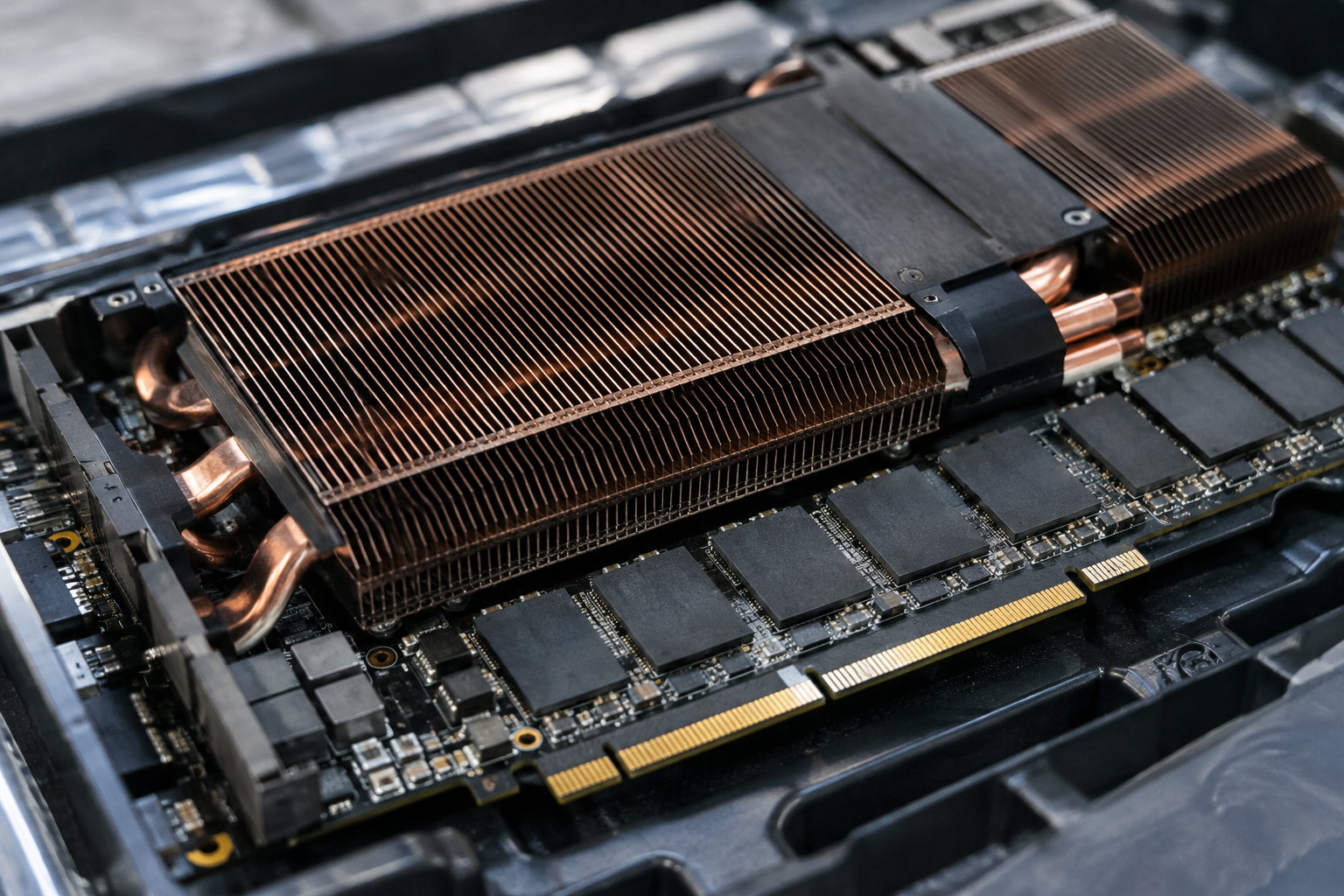
SpaceX’s plans to buy more Nvidia GPUs are giving the artificial-intelligence trade another piece of fuel. Jim Cramer says the spending is one reason he remains bullish on Nvidia, or $NVDA, because it suggests companies are seeing enough value from AI computing to keep expanding their infrastructure.
That is the important signal for investors: not a stock-price prediction, but evidence that AI-compute demand may be moving from ambition toward ongoing business spending. As reported by CNBC, Cramer pointed to SpaceX’s plans and argued that companies are generating returns on their AI-compute investments.
Why SpaceX’s demand matters
Additional GPU purchases from a major private company can reinforce the idea that AI infrastructure is not merely a short-lived technology theme. It suggests that at least some businesses continue to view computing capacity as an input worth funding, even after the initial excitement surrounding AI has moved into the earnings conversation.
For Nvidia, that creates a constructive demand narrative. More spending on GPUs may support the interpretation that customers are still building or expanding AI capabilities. The bullish case, however, remains an interpretation of the reported development—not proof that every company is seeing identical results or that demand will continue at the same pace.
That distinction matters. SpaceX’s plans are a clear company-specific signal, while the broader conclusion about AI infrastructure depends on how widely similar spending patterns appear across the technology sector. Cramer’s additional point—that companies are generating returns on their AI-compute investments—offers a rationale for continued purchases. But investors may still want to separate reported corporate spending from assumptions about future revenue, margins and earnings.
What it could mean for technology positioning
The SpaceX development may help keep attention focused on AI infrastructure as investors assess the technology sector and the Nasdaq heading into earnings season. If companies continue describing productive uses for AI computing, that could reinforce interest in the sector’s hardware and infrastructure narrative.
Still, the market’s next test is execution. Investors may continue monitoring whether demand translates into results, whether customers sustain their spending, and whether earnings expectations already reflect a strong AI outlook. A positive demand signal can support a bullish interpretation, but it does not remove the need to evaluate delivery, timing and the durability of customer budgets.
The bigger read-through
SpaceX’s planned purchases add texture to the Nvidia story because they connect AI spending to a recognizable business decision rather than an abstract forecast. Yet the signal should be kept in proportion: the assignment identifies plans for additional purchases, not a disclosed dollar amount, shipment schedule or earnings impact.
For traders and investors watching the technology sector, that leaves a familiar balance. The reported demand may strengthen the case that AI computing remains strategically important, while upcoming company results and guidance may determine whether that narrative is broadening or being carried by a smaller group of buyers.
Bull/Bear Verdict
Bull Case: SpaceX’s plans to buy more Nvidia GPUs, together with Cramer’s view that companies are generating returns on AI-compute investments, may reinforce the demand case for $NVDA and broader AI infrastructure.
Bear Case: The reported signal involves one company’s purchase plans and includes no disclosed spending amount or earnings impact, so execution, demand sustainability and elevated earnings expectations may remain pressure points.