
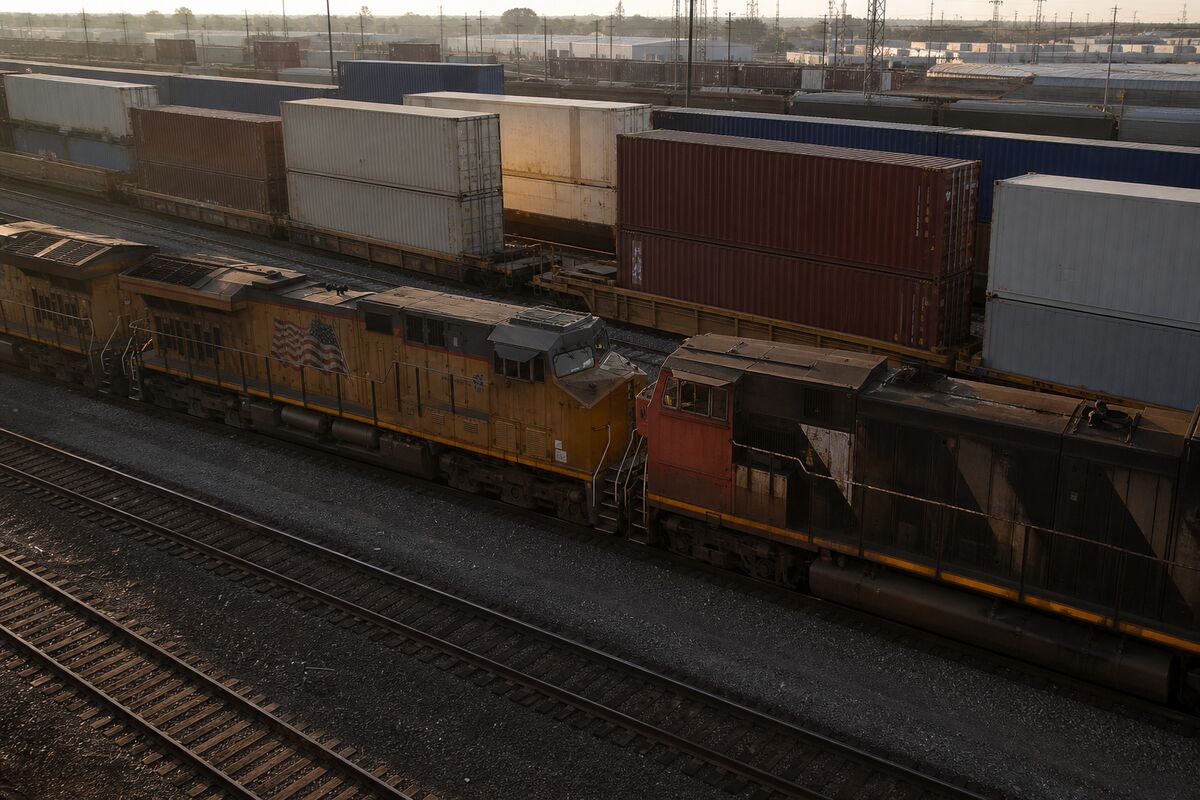
The recent connectivity agreement between Union Pacific ($UNP) and Canadian National Railway ($CNI) marks a pivotal moment for North American rail operators. Not only does this deal aim to enhance the efficiency of rail logistics across the continent, but it also addresses significant competitive dynamics, particularly in relation to the ongoing Norfolk Southern ($NSC) merger dispute. As the rail industry continues to evolve, understanding the implications of this agreement becomes crucial for long-term investors.
At its core, the deal between Union Pacific and Canadian National Railway seeks to bolster rail connectivity, which could streamline operations and increase access to key markets. This agreement is expected to create a more integrated rail network, enabling both companies to optimize their routes and reduce transit times. By improving connectivity, the two rail giants could ultimately enhance supply chain efficiency, which is vital in today's fast-paced economic environment.
The Competitive Landscape
The impact of this connectivity agreement extends beyond just operational improvements; it also reshapes the competitive landscape among North American rail companies. With Union Pacific and Canadian National Railway joining forces to enhance connectivity, other rail operators may feel significant pressure to respond. The Norfolk Southern merger dispute further complicates this landscape, as it raises questions about market share and competitive positioning. If the merger proceeds, it could consolidate power among fewer players, intensifying competition for freight contracts.
As these companies align their services, smaller operators may struggle to keep pace. The resulting environment could lead to differentiated pricing strategies as larger railroads leverage improved efficiencies to attract more customers. Investors should consider how this shift could impact the pricing power of various rail operators and the potential for increased freight costs if competition diminishes.
Supply Chain Efficiency and Freight Costs
One of the most significant implications of enhanced rail connectivity is the potential effect on supply chain efficiency and freight costs. As Union Pacific and Canadian National Railway optimize their operations, the benefits may trickle down to shippers and consumers alike. Improved transit times could lead to lower inventory costs for businesses that rely on timely deliveries, while also potentially reducing shipping rates.
However, the long-term effects on freight costs will depend on how effectively these companies implement the agreement and manage their routes. If successful, the deal could lead to a more robust rail system that supports North American trade. Conversely, if the integration faces challenges, it may not deliver the anticipated efficiencies, keeping freight costs elevated.
Investors should keep a close eye on how this connectivity agreement progresses and its subsequent impact on the broader market. The interplay between efficiency, competition, and costs will be critical in assessing the long-term value of these rail operators.
As we reflect on the implications of this pivotal deal, it's essential to maintain a long-term perspective. Historical trends suggest that railroads can adapt and thrive in changing environments, but the ability to leverage connectivity effectively will be key to their success in this new landscape.
Read more on Seeking Alpha