
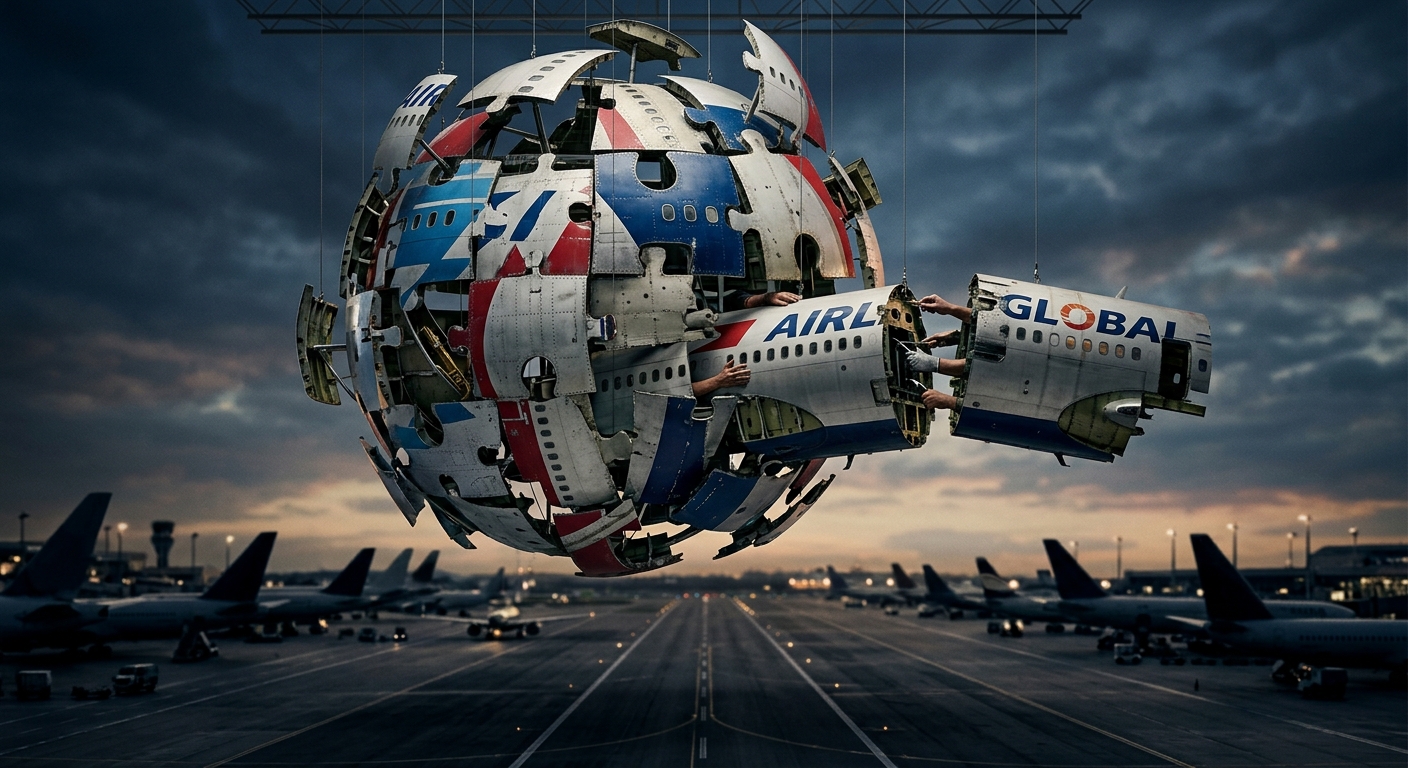
The airline industry has long been a barometer of economic health and consumer sentiment, and recent musings from United Airlines ($UAL) CEO Scott Kirby may foreshadow significant shifts on the horizon. As Kirby navigates the complexities of global competition, his reflections on potential mergers reveal a broader narrative concerning the future of U.S. carriers.
Merger Considerations: A Strategic Move?
Kirby’s considerations regarding mergers date back to last fall, well before discussions with the Trump administration emerged. This timing is crucial; it suggests that the airline industry is at a crossroads, with leaders like Kirby actively seeking ways to enhance their competitive edge on the global stage. The question that arises is whether consolidation is an inevitable strategy for U.S. carriers to solidify their standing against international rivals.
The Landscape of Potential Consolidation
At the heart of this discussion is not just United Airlines but major players like American Airlines ($AAL) and Delta Air Lines ($DAL). The potential for further consolidation among these giants could reshape the industry. History has shown that mergers can create efficiencies, streamline operations, and ultimately bolster market share. However, they also carry inherent risks and challenges.
Benefits of Consolidation
From a shareholder perspective, consolidation might yield economies of scale that could enhance long-term profitability. Larger entities often have greater negotiating power with suppliers, streamlined operations, and the capability to invest in innovative technologies that improve service and efficiency. For consumers, a merged entity could theoretically offer a more extensive network of routes and enhanced service offerings.
Drawbacks to Consider
However, the drawbacks cannot be overlooked. Consolidation may lead to reduced competition, which could ultimately raise prices for consumers. Fewer airlines could mean less choice in routes and schedules, potentially eroding customer satisfaction. Moreover, the regulatory scrutiny that accompanies mergers may impede swift execution, as the complexities of antitrust laws come into play.
Market Implications
The broader market implications of potential consolidation are significant. As airlines navigate the post-pandemic recovery landscape, the pressure to create resilient business models is intensifying. Kirby’s focus on global competitiveness indicates a recognition that the landscape is shifting, and U.S. carriers must adapt or risk falling behind.
As investors watch this space, they may want to consider how these developments could impact not just the airlines involved but also ancillary services and the travel ecosystem at large. The airline industry’s health is intricately linked to various sectors, from tourism to technology, and any consolidation could ripple through the broader market.
A New Era for U.S. Airlines?
In conclusion, as United Airlines’ CEO Scott Kirby ponders the future of U.S. carriers, the potential for mergers suggests a pivotal moment in the industry. While consolidation may offer pathways to enhanced competitiveness, it is essential to weigh the potential benefits against the drawbacks. Ultimately, the choices made today will shape the airline industry for years to come, offering long-term investors a glimpse into the evolving landscape of travel and commerce.