
Microsoft’s AI strategy has cleared an important credibility hurdle: Melius Research analyst Ben Reitzes, once skeptical that artificial intelligence would disrupt legacy software, has turned bullish on the company’s positioning. That change matters because Microsoft is not a niche AI name—it is a Nasdaq-listed mega-cap technology bellwether whose strategy can influence how investors interpret the broader growth-stock trade.
At the same time, Nvidia is approaching a fresh record closing high, with chip-stock strength offsetting weakness in the bond market during broader trading. Together, the developments give Nasdaq positioning a powerful narrative heading into the fourth quarter: conviction around AI leaders is strengthening even as fixed-income markets introduce a note of caution.
The key signal is not a new price target or a fresh performance forecast. It is a shift in interpretation. Reitzes’ move on Microsoft suggests that at least one former skeptic now sees the company’s AI positioning as more consequential to its legacy software business than previously believed. That change in analyst conviction can matter for a stock such as $MSFT because Microsoft sits at the intersection of established enterprise software and the market’s expanding AI thesis.
The distinction is important. Investors are not simply evaluating whether Microsoft participates in AI. They are assessing whether AI strengthens the strategic position of a company already viewed as a core technology bellwether. The shift from skepticism to bullishness indicates that the debate may be moving away from whether AI can affect legacy software and toward how Microsoft’s existing platform can be interpreted within that transition.
Nvidia’s record push broadens the momentum signal
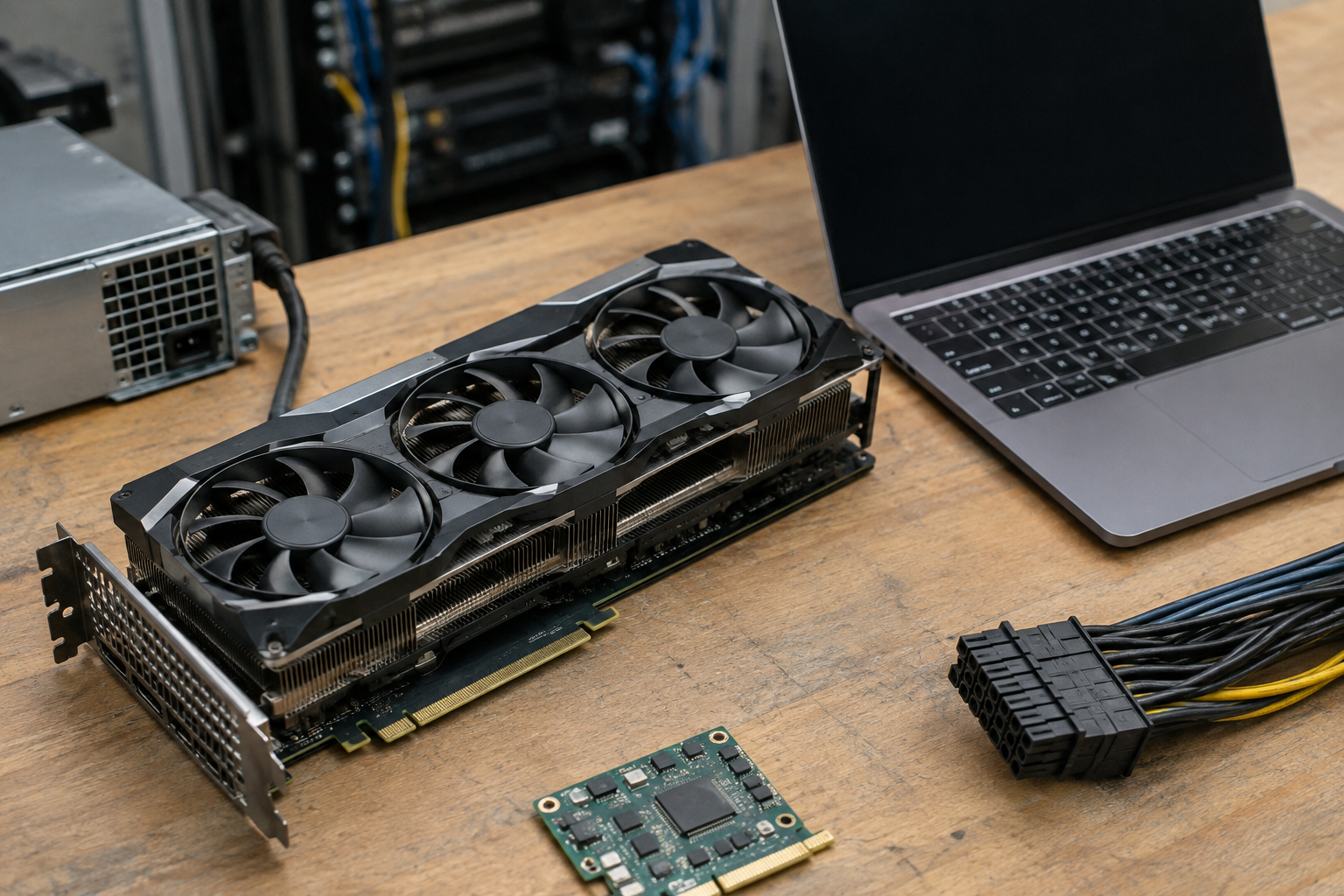
Nvidia’s setup adds a second layer to the market message. According to the reported trading view, $NVDA is approaching a fresh record closing high. The assignment does not provide a price or percentage move, but the record-high push itself is meaningful: it places a leading chip stock at the center of the market’s ongoing AI momentum discussion.
That strength is also being read against weakness in the bond market. The contrast matters for Nasdaq-focused investors because growth stocks can be sensitive to changes in market rates and bond conditions. Here, the reported strength in Nvidia is offsetting broader bond-market caution, suggesting that enthusiasm around key AI-linked technology companies remains a dominant force in the trading narrative.
Microsoft and Nvidia play different roles in that narrative. Microsoft represents the software and platform side of AI adoption, while Nvidia represents the semiconductor infrastructure side. Their simultaneous prominence may reinforce the idea that the AI theme is being evaluated across multiple layers of the technology ecosystem rather than through a single-company lens.
Buybacks add a capital-allocation test
Momentum, however, is only one part of the analysis. Jim Cramer’s Investing Club is closely watching Nvidia’s buyback program for clues about capital allocation. The focus is not simply whether the company has a repurchase program; it is what management’s handling of that program may signal about priorities as Nvidia continues its record-high push.
The Investing Club’s buyback focus puts a practical question alongside the momentum story: how will Nvidia balance capital returns with the demands of its AI-driven business? The assignment provides no buyback figure, so the relevant takeaway is the monitoring of signals, not a numerical conclusion.
That capital-allocation lens may help explain why Microsoft’s analyst upgrade and Nvidia’s market strength are being treated as more than isolated headlines. Both developments speak to how investors are judging the durability and quality of the AI opportunity—through Microsoft’s strategic positioning, Nvidia’s market leadership and the way Nvidia manages shareholder capital.
What it means for Nasdaq positioning
Heading into the fourth quarter, the reported combination of a bullish shift on $MSFT and a record-high push in $NVDA is helping technology strength outweigh bond-market caution in the broader discussion. It does not eliminate the bond-market signal, but it shows that investors continue to give substantial weight to AI exposure and mega-cap technology leadership.
Microsoft’s change in analyst sentiment may therefore be the more important strategic development, while Nvidia’s record pursuit supplies the visible momentum confirmation. Taken together, the two stories suggest that Nasdaq positioning remains closely tied to whether AI leaders can sustain both narrative strength and credible capital-allocation discipline.
Bull/Bear Verdict
Bull Case: A former Microsoft AI skeptic has turned bullish, while Nvidia is approaching a fresh record closing high; together, those signals may reinforce Nasdaq and growth-stock momentum into Q4.
Bear Case: Bond-market weakness remains a caution signal, and Nvidia’s buyback program still warrants scrutiny because capital-allocation choices could influence how investors assess the durability of its record-high push.