
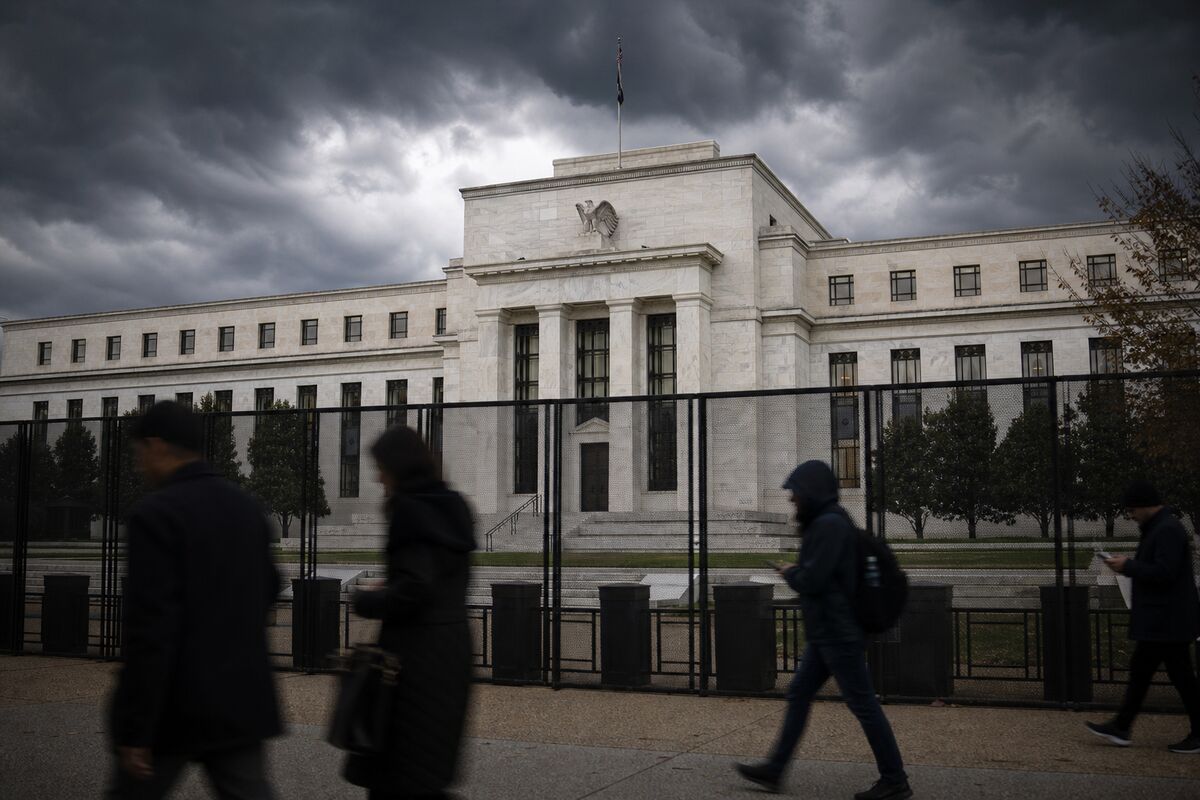
A December interest-rate increase by the Federal Reserve would be more than a single policy adjustment. It could reset the valuation framework for U.S. and Canadian assets by extending the period of elevated borrowing costs and forcing markets to reassess how much future growth is worth today.
Federal Reserve officials, including Governor Christopher Waller, are signaling that another increase could come in December. With inflation still above the Fed’s 2% target, the central bank’s message is becoming harder for markets to ignore: policy may need to remain restrictive for longer, even as the outlook beyond the December decision remains uncertain.
The signal from officials matters because financial markets price assets through expectations as much as through current interest rates. A December hike would provide another indication that the Fed is prioritizing progress on inflation over near-term relief for borrowers. It could also make the distinction between the next policy decision and the longer-term rate path especially important.
Why the December decision matters
The immediate question is whether the Federal Reserve raises rates again in December. The broader question is what that decision would say about the central bank’s tolerance for inflation above its 2% target.
Persistent inflation creates a policy problem. If price pressures remain above target, officials may view an additional increase as necessary to maintain pressure on the economy. That possibility explains why Waller’s signal carries market relevance. It suggests that the December meeting cannot be treated as a routine event or as a clear endpoint for tightening.
At the same time, a December increase would not automatically resolve the longer-term policy outlook. Officials could still leave markets uncertain about what comes next. The path after December may depend on how inflation evolves and how the economy responds to borrowing costs. For investors, that creates two separate questions: whether rates rise at the next meeting, and whether the rate environment remains elevated afterward.
That distinction could drive volatility across both equity and fixed-income markets. A single hike may be absorbed differently from a signal that additional increases remain possible. The latter would affect the discount rates used to value future earnings and the yields demanded by bond investors.
Equity valuations face a higher hurdle
Higher rates can pressure equity valuations because future cash flows become less attractive when discounted at a higher rate. The effect is particularly relevant for companies whose valuations depend heavily on earnings expected further into the future. That makes growth technology stocks vulnerable to a renewed repricing if markets conclude that elevated rates will persist.
The issue is not limited to technology. A higher policy rate can raise financing costs across the corporate sector and make investors more selective about the assumptions embedded in equity prices. Companies with greater sensitivity to borrowing costs may face a more demanding valuation environment, while businesses with more immediate cash generation may be viewed through a different lens.
For U.S. equities, the December decision could therefore influence both valuation multiples and sector leadership. For Canadian equities, the transmission could occur through the same global rate channel, even though Canadian companies and households have their own domestic exposures. A Federal Reserve move could affect how investors price Canadian rate-sensitive assets by reinforcing the broader message that lower borrowing costs may not arrive quickly.
Bonds and borrowing costs
Bond markets would be central to the repricing. A December hike could place upward pressure on bond yields as investors adjust to a higher policy-rate setting. The market response would depend not only on the decision itself, but also on the language surrounding the future path of policy.
If officials signal that inflation remains the dominant concern, bond investors may demand greater compensation for holding longer-duration assets. That could increase financing costs for governments, companies and households. If the December decision is presented as a final step rather than part of a continuing sequence, the reaction could be different. The key variable is the expected path, not simply the event on the calendar.
Those dynamics matter in Canada as well. Canadian bond yields and borrowing costs could be influenced by the change in U.S. rate expectations, particularly when investors reassess the prospects for North American monetary policy. The impact would not require identical policy decisions in both countries. A shift in the U.S. rate outlook could still change the relative appeal and pricing of Canadian fixed-income and equity assets.
Housing, banks and growth technology
Housing is among the clearest rate-sensitive areas. Elevated borrowing costs can weigh on affordability and financing demand, while uncertainty about the future path of rates can make buyers, sellers and lenders more cautious. A December increase would extend that pressure rather than provide relief, although the ultimate effect would depend on how long restrictive conditions persist.
Banks face a more complicated setup. Higher rates can support the income earned on some lending activities, but they can also increase the financing burden for borrowers and raise concerns about credit quality. The market may therefore focus on the balance between lending economics and the ability of households and businesses to manage higher borrowing costs.
Growth technology stocks face a different transmission mechanism. Their valuations can be especially sensitive to changes in discount rates because a larger portion of the investment case may rest on future growth. If a December hike leads investors to expect a longer period of elevated rates, the sector could face pressure even without a change in company-specific operating results.
The real market test comes after December
The most important conclusion is that the December decision may clarify the immediate direction without resolving the full policy outlook. Officials are signaling another increase while inflation remains above the Fed’s 2% target, but the path beyond that meeting remains murky.
Markets may therefore separate the confirmed policy signal from the unanswered questions. A December hike would indicate that officials are willing to maintain or increase pressure on financial conditions. It would not, by itself, establish how many further moves might follow, how long rates might remain elevated or how quickly borrowing costs could eventually ease.
That uncertainty raises the importance of forward guidance and incoming inflation developments. Investors in U.S. and Canadian assets may respond less to the headline decision than to what it implies about the duration of restrictive policy. The result could be continued pressure on rate-sensitive equities, bonds, housing and technology valuations, alongside a more nuanced assessment of bank lending conditions.
Governor Christopher Waller’s position is part of that larger communication challenge. As reported by CNBC, signals from Fed officials are pointing toward another December increase. The market’s next task is to determine whether that move represents a single response to persistent inflation or another step in a longer policy campaign.
Bull/Bear Verdict
Bull Case: A December hike could reinforce the Fed’s commitment to its 2% inflation target and provide greater clarity on the immediate policy direction, potentially allowing markets to better price bonds, banks and equities.
Bear Case: Inflation remaining above the Fed’s 2% target could keep rates elevated beyond December, pressuring bond yields, housing, growth technology valuations and other U.S. and Canadian rate-sensitive assets.