
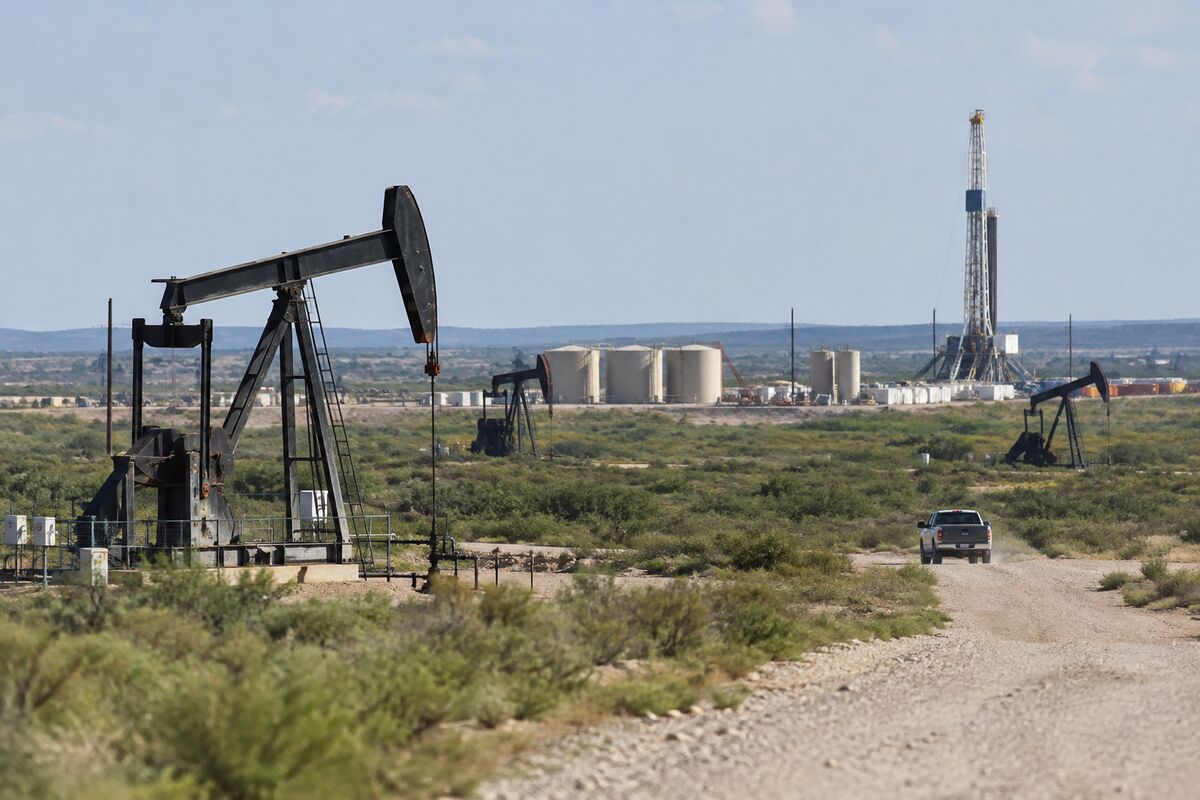
Permian consolidation is not finished—and Presidio’s $360 million agreement is the latest evidence. The company has agreed to acquire producing Permian Basin oil and gas companies, putting a substantial transaction behind a market theme that energy-focused traders have been watching closely: owners of U.S. shale assets are still willing to transact, and buyers are still willing to pursue them, even amid oil-price softness.
This is more than a single acquisition. It is a signal about where capital continues to see strategic value in U.S. energy. The announcement, made through BusinessWire from Fort Worth, Texas, places the Permian Basin at the center of the discussion and suggests that consolidation remains one of the defining forces shaping the shale market.
Presidio’s agreement is straightforward in its headline terms: a $360 million acquisition of companies with producing oil and gas assets in the Permian Basin. The fact that the assets are already producing matters. This is not merely a bet on an undeveloped acreage position or a future drilling concept. Producing properties offer an operating foundation that can make an acquisition more immediately relevant to a buyer seeking scale in an established U.S. energy region.
That distinction becomes especially important when oil prices are soft. Softer pricing can pressure the economics and sentiment surrounding the energy sector, but it does not erase the strategic value of producing assets. Existing operations may give a buyer a clearer view of what it is acquiring than a transaction built primarily around future development potential. They may also provide a platform from which management can pursue greater scale, operating efficiencies, or additional acquisitions.
Those possibilities do not make the transaction risk-free, and they do not determine whether the agreement will ultimately create value. They do, however, help explain why producing Permian companies can remain attractive when the broader oil market is not delivering an unambiguously supportive backdrop. In a softer-price environment, asset quality, operating position, and consolidation potential can matter as much as headline commodity enthusiasm.
The Permian remains the consolidation battleground
The Permian Basin is the central U.S. energy market in this transaction, and that focus is important. The basin has become the natural arena for companies seeking exposure to producing shale assets and for sellers evaluating whether scale can improve their strategic options. Presidio’s agreement reinforces the view that the Permian continues to attract attention even when market conditions are less forgiving.
For traders, the key point is not simply that one buyer has announced one deal. The more consequential question is whether this agreement becomes part of a broader pattern. Consolidation can change the competitive structure of a basin by bringing assets under fewer owners. A buyer may gain a larger operating footprint, while a seller may gain an exit route or a way to monetize assets in a difficult pricing environment.
That dynamic can support continued roll-up activity. Presidio’s transaction does not, by itself, establish a new industry-wide cycle or guarantee that more deals will follow. It does indicate that the appetite for U.S. shale assets has not disappeared. The $360 million price tag gives the market a concrete reference point for the scale of this particular agreement, while the focus on producing Permian companies shows where the buyer is directing its attention.
Why the deal matters to energy traders
Energy-focused traders should separate what is known from what remains to be tested. What is known is that Presidio has announced an agreement to acquire producing Permian oil and gas companies for $360 million. What remains open is how the market will interpret the deal, whether other Permian owners respond with transactions of their own, and whether investors treat consolidation as a constructive strategic development or as a sign that companies are seeking scale in a challenging commodity environment.
The market reaction may therefore matter as much as the announcement itself. A constructive response would suggest that investors view producing Permian assets and greater consolidation as strategically attractive despite oil-price softness. A more cautious response could indicate that traders remain focused on commodity conditions or are demanding clearer evidence of the benefits attached to the acquisition.
Traders should also watch for additional Permian mergers and acquisitions. Follow-on activity would strengthen the argument that Presidio’s announcement is part of a wider roll-up trend rather than an isolated corporate decision. Conversely, if the transaction stands alone, the market may view it more narrowly—as a company-specific move rather than a fresh wave of U.S. shale consolidation.
A signal, not a final verdict
There is a temptation in every large energy transaction to declare a new cycle immediately. That would be premature here. Presidio’s $360 million agreement is meaningful because it combines three elements that matter in the current U.S. shale debate: producing assets, a Permian Basin focus, and a buyer willing to commit substantial capital while oil prices are soft.
But an agreement is not the same as a completed transaction, and one announcement cannot answer every question about the sector. The next evidence will come from market behavior: whether other buyers pursue Permian assets, whether sellers bring additional companies to market, and whether investors reward or question the consolidation strategy.
The contrarian takeaway is that oil-price softness has not closed the door on shale M&A. It may instead be helping distinguish assets and buyers. Producing Permian companies with strategic relevance can still attract attention when enthusiasm for the broader energy market is restrained. Presidio’s move suggests that capital is not abandoning U.S. shale; it is becoming more selective about where it is deployed.
That makes the $360 million agreement worth watching beyond its headline value. It is a test of investor appetite, a marker for Permian consolidation, and potentially an early signal of additional roll-up activity. The market’s next response will determine whether traders view Presidio’s announcement as a standalone deal—or as the opening move in another phase of U.S. shale consolidation.
BusinessWire reported Presidio’s Permian acquisition announcement from Fort Worth, Texas.
Bull/Bear Verdict
Bull Case: The $360 million agreement may signal that producing Permian assets remain strategically attractive and could encourage further U.S. shale consolidation despite oil-price softness.
Bear Case: The transaction is still an agreement, and without follow-on Permian M&A or a supportive market reaction, it may prove to be an isolated deal rather than the start of a broader roll-up wave.