
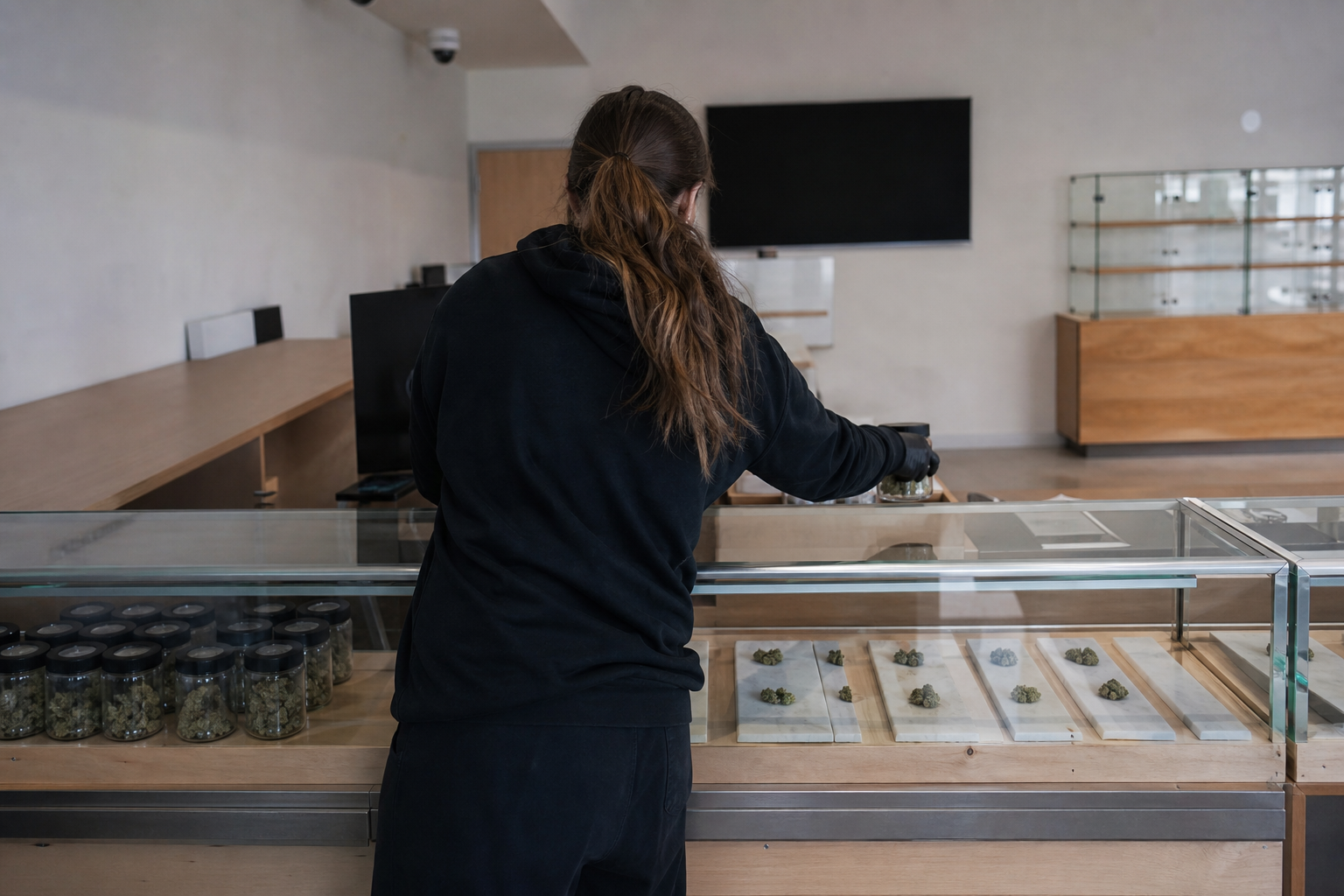
TerrAscend has added another piece to its New Jersey cannabis puzzle. With the closing of its Aunt Mary’s transaction, the company now operates five retail dispensaries in the state—a larger storefront network that could give its local strategy more weight with customers, competitors and investors.
For $TSNDF, the deal is less about a single new shop than about building a denser retail presence in one of the most important legal cannabis markets on the U.S. East Coast. Five locations may offer TerrAscend more opportunities to put its brand in front of consumers, but the harder test begins after the ribbon-cutting: integrating the acquired operation and turning added reach into sustainable sales growth.
TerrAscend’s announcement of the transaction’s closing describes the move as strengthening its leadership position in New Jersey. The completed acquisition expands the company’s retail dispensary footprint to five locations, giving the transaction a clear strategic shape rather than leaving it as a proposal waiting on execution.
Why New Jersey matters
New Jersey’s appeal is straightforward: it is one of the most populous and lucrative legal cannabis markets on the East Coast. That makes retail access especially valuable. In cannabis, a store is not merely a physical address; it can be a recurring point of contact where brand visibility, customer relationships and product discovery meet.
A five-location network may help TerrAscend present a more recognizable local footprint. It could improve access to customers across the market, create more opportunities for consumers to encounter TerrAscend’s brands and give the company a broader platform from which to compete. Those advantages are potential outcomes, not automatic ones. Location quality, customer experience and operating consistency will determine whether additional doors become a meaningful commercial asset.
The larger MSO contest
The transaction also fits into the broader contest among multi-state operators for dispensary locations, retail shelf space and consumer recognition. As operators build positions in legal markets, scale can function as a form of visibility. A larger network may make it easier to establish a familiar name, while a smaller footprint can leave a company fighting for attention one location at a time.
Still, consolidation brings its own bill. TerrAscend will need to integrate the acquired operations without diluting the customer experience or creating unnecessary complexity. It must also demonstrate that five locations can support sustainable sales growth, rather than simply expanding the map. The strategic logic is visible; the financial payoff remains a matter of execution.
What investors may watch next
Investors and traders may watch trading volume in $TSNDF following the transaction close, particularly as the market assesses whether the announcement attracts fresh attention. No stock-price conclusion is available from the transaction details, so volume and subsequent operating performance may matter more than headline excitement.
Federal cannabis rescheduling discussions remain a potential regulatory catalyst for multi-state operators, including TerrAscend. That broader policy debate, however, is separate from the completed Aunt Mary’s transaction. For now, the company’s New Jersey case rests on a simpler proposition: five dispensaries may create a stronger local platform, provided management can convert footprint into consistent customer demand and sustainable growth.
Bull/Bear Verdict
Bull Case: TerrAscend’s completed Aunt Mary’s acquisition gives $TSNDF five New Jersey dispensaries, which may strengthen local visibility, customer access and its competitive position in a populous, lucrative legal market.
Bear Case: The five-location footprint may not translate into sustainable sales growth if TerrAscend struggles to integrate the acquired operations or compete effectively for customers, shelf space and recognition.